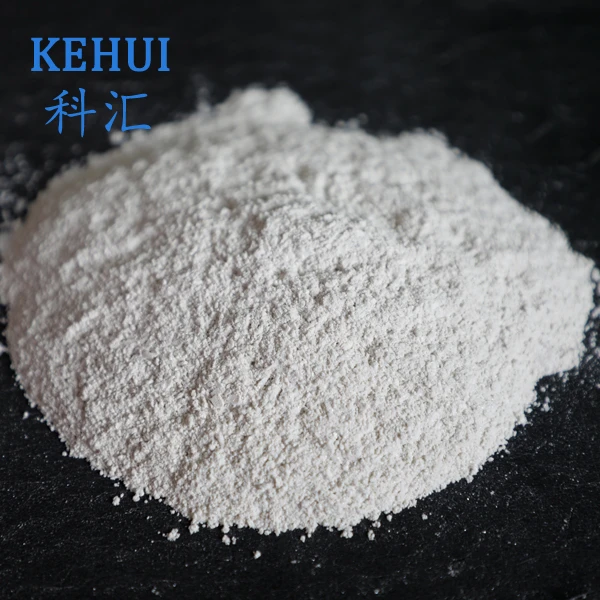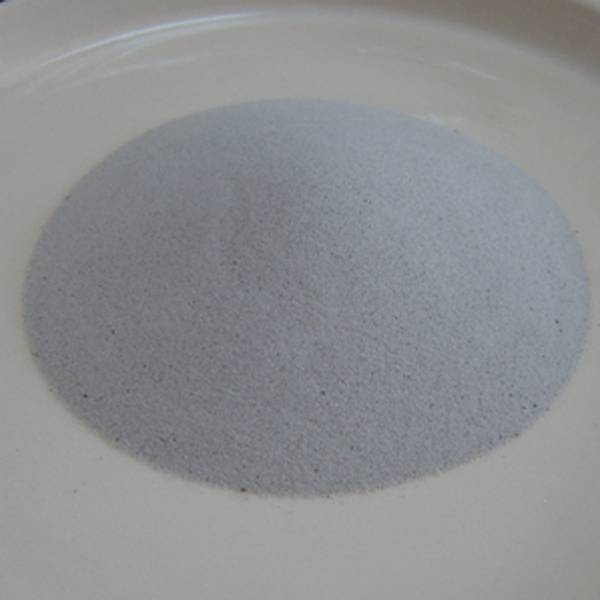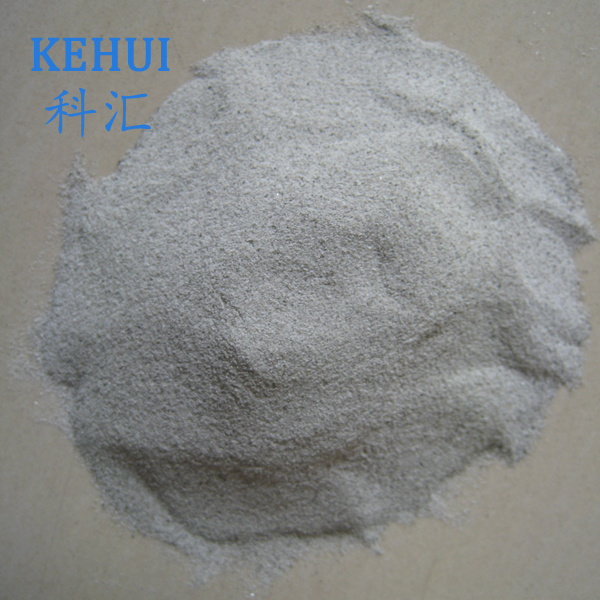
horticultural vermiculite for sale
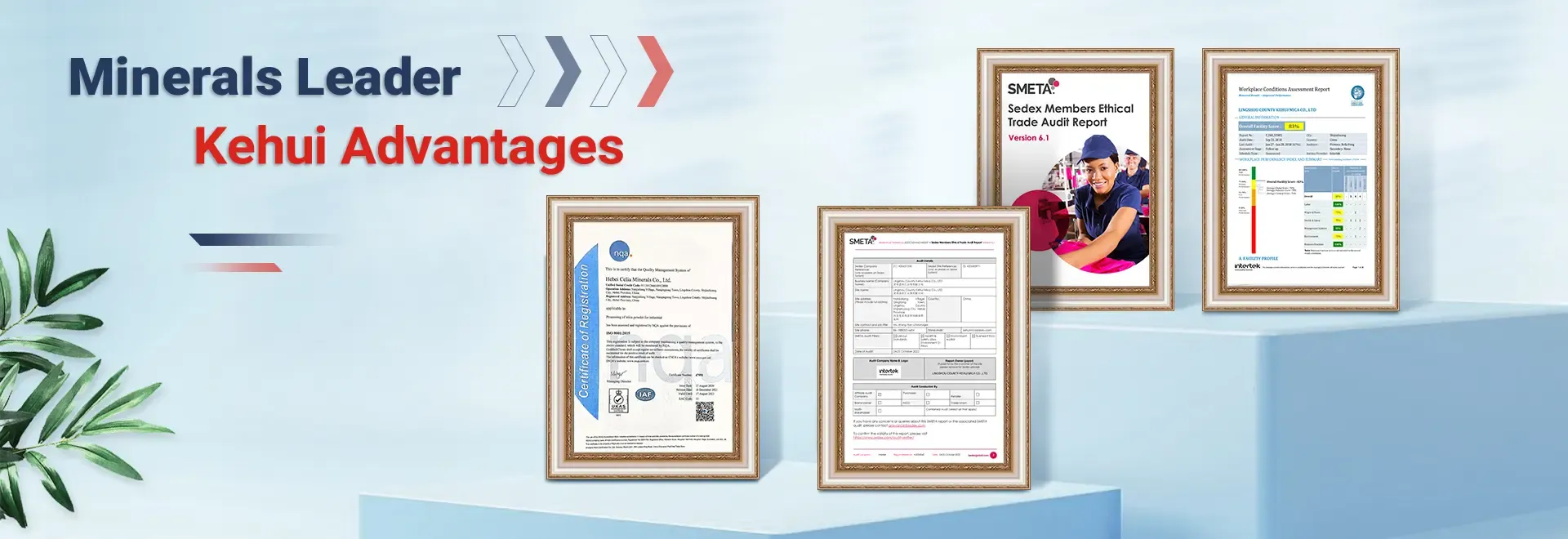
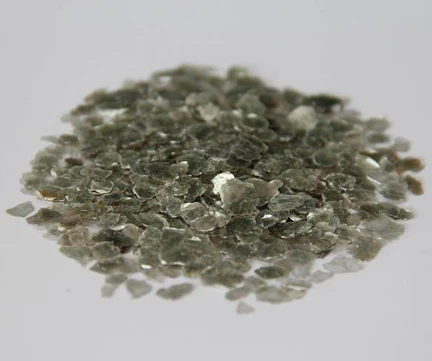
Horticulture and Agriculture media Expanded Vermiculite: Trends, Specifications, Application, and Industry Insights Industry Outlook: The Rise of Horticulture and Agriculture media Expanded Vermiculite Expanded Vermiculite, especially formulated for horticultural and agricultural applications, has witnessed robust growth in global demand. According to MarketsandMarkets (2024) , the worldwide Vermiculite market is projected to reach USD 355 million by 2028 (CAGR: 6.1%), driven by the expanding horticulture sector, sustainable agriculture, and green infrastructure. Its lightweight, inert, non-toxic, and moisture-retentive properties position Horticulture and Agriculture media Expanded Vermiculite as an industry standard. What is Horticulture and Agriculture media Expanded Vermiculite ? Horticulture and Agriculture media Expanded Vermiculite is a thermally processed, mineral-based substrate derived from natural crude vermiculite. The raw material undergoes a controlled high-temperature exfoliation process, causing it to expand up to 20x its original volume. The resultant granules are lightweight, chemically inert, possess high cation-exchange capacity (CEC), and exceptional water and nutrient retention — making them ideal for professional plant propagation, soil conditioning, hydroponics, and greenhouse vegetable cultivation. Main Technical Parameters & Specifications Specification Parameter Value (Unit) Method/Standard pH Range Acid-Base Balance 6.0 - 8.5 GB/T 6679-2003 / ISO 10390 Bulk Density Material Density 80-120 kg/m³ ISO 787-11 Particle Size (Granule) Mesh Size Ranges 1-3mm, 2-4mm, 3-6mm, Custom Customizable (ASTM C110) Water Holding Capacity WHC per 100g 350-410 ml ISO 11274 Cation Exchange Capacity Ability to Retain Nutrients 110–130 meq/100g ISO 11260 Heavy Metal Content Pb, Cd, As < 2 mg/kg EN 12457-4:2002 Color/Appearance After Exfoliation Golden/Bronze Granular Visual Inspection Tip: All batches of Horticulture and Agriculture media Expanded Vermiculite are subject to ISO 9001-certified QA procedures and periodic SGS test reports. Manufacturing Process of Horticulture and Agriculture media Expanded Vermiculite Stepwise Process Flow: Raw Material Mining: Select high-grade vermiculite ore, low heavy metals, sourced from certified mines (e.g., China, South Africa). Screening & Pre-cleaning: Mechanical screening (vibration sieve), removal of impurities, ensuring uniform granule size. Thermal Expansion (Exfoliation): Fast heating in rotary kilns/flash furnaces (temperatures: 800–1100°C); mineral platelets expand (“popcorn effect”), increasing volume 15–20x. Cooling & Size Classification: Air or belt cooling, followed by granule size separation: 1–3mm, 2–4mm, 3–6mm, or custom specs. Quality Control & Testing: Each batch tested for pH, bulk density, WHC, heavy metals, per ISO/ASTM/EN standards; data recorded. Packing & Warehousing: Bagging (15L, 50L, 100L), palletizing, storage in climate-controlled warehouses. View detailed product manufacturing video → Infographic: Production Flow Vermiculite Ore Mining Screening & Pre-cleaning Thermal Exfoliation 800–1100°C Cooling & Classification QA, Testing (ISO/SGS) Packing & Warehousing Dispatch Quality and Compliance: All key process nodes follow ISO 9001, ISO 14001, and major environmental and agricultural standards (e.g., CEC, heavy metals, inertness) to ensure the safety and sustainability of Horticulture and Agriculture media Expanded Vermiculite . Key Advantages and Competitive Trends Superior Moisture Retention: Retains up to 3–4x its volume of water, preventing plant drought and ensuring even nutrient availability. Inert, pH Neutral & Sterile: Chemically stable, non-reactive, pathogen-free substrate. Green & Reusable: 100% mineral, non-toxic, sustainable, and reusable through several crop cycles. Heat Insulation & Aeration: Enhances soil porosity and root oxygenation for vigorous plant growth. Corrosion Resistance: Unlike organic media, vermiculite resists decomposition and acidic/alkaline attack. Horticulture and Agriculture media Expanded Vermiculite is preferred by hydroponic vegetable growers, commercial nurseries, and landscape contractors for its unique blend of physical and chemical advantages over traditional soil amendments. Product Comparison: Vermiculite vs. Other Media Property Expanded Vermiculite (Horticulture/Agriculture) Pearlite Cocopeat Rockwool Density (kg/m³) 80-120 90-105 70-80 60-90 Water Holding ★★★★☆ ★★★☆☆ ★★★★★ ★★☆☆☆ Aeration/Porosity ★★★☆☆ ★★★★★ ★★★☆☆ ★★★★☆ Organic Matter 0% 0% 85% 0% pH Value 6.0–8.5 7.0–7.5 5.8–6.8 6.5–7.0 Pathogen Risk Very Low Very Low Medium Very Low Life Cycle 5–8 Years 5–8 Years 2–3 Years 3–5 Years Sustainability Excellent Good Medium Medium Data source: Elsevier: Comparative studies on horticultural growing substrates (2023) Tailored Solutions: Customization and Delivery Granule Size Customization: Selectable particle sizes (0.5–1mm, 1–3mm, 3–6mm, etc.) for different crops and irrigation setups. Packing Options: OEM/private label, retail packaging (5L, 15L), commercial grade (50L, 100L, jumbo sacks), customized labelling available. Formulation Support: Expert guidance for blends with peat, coco, or perlite for specific plant requirements. Compliance Assurances: COA, MSDS, SGS, REACH, and ISO9001/14001 available by request for every delivery. Global Delivery: Lead time 3–7 days (stock), 15–21 days (customized), via sea/rail/air logistics. Contact Kehuimica.com – Order Horticulture and Agriculture media Expanded Vermiculite Applications Share (2023) Applications of Horticulture and Agriculture media Expanded Vermiculite Seed Germination and Nursery: Used in commercial greenhouses for rapid, uniform seedling start. Hydroponics and Soilless Cultivation: Blended with perlite/peat for vegetables and herbs (lettuce, cucumbers, tomatoes). Landscaping and Green Roofs: Substrate for roof gardens, urban greening, and water retention in vertical landscapes. Soil Amendment: Enhances sandy/clayey soils, improves CEC, reduces compaction, and salt build-up. Professional Cultivation: Horticultural nurseries, fruit orchards, and agricultural research stations. Case Study: Greenhouse Vegetables A leading hydroponic farm in the Netherlands replaced peat with Horticulture and Agriculture media Expanded Vermiculite in 2022. Yield rose by 11.3% , irrigation cycles dropped by 21% , and pathogen-related crop loss went down by 17% within one quarter ( Hortidaily, 2023 ). FAQ: Technical and Practical Questions Q1: What is the main raw material composition? A1: Horticulture and Agriculture media Expanded Vermiculite is primarily composed of hydrated magnesium aluminum silicate, free of organic matter or harmful contaminants. Q2: What mesh size is optimal for seed germination? A2: 1–3 mm granules are preferred for seed trays, ensuring high surface area and micro-porosity for delicate roots. Q3: Are there recognized standards (ISO, ANSI) for horticultural vermiculite quality? A3: Yes. Typical quality certifications include ISO 10390 (soil pH), ASTM C110 (granule size), ISO 787-11 (density), and test results meeting EN 12457-4 (heavy metals). Q4: How long does expanded vermiculite last as a substrate? A4: 5–8 years under standard use, without significant structural or functional degradation. Q5: Is the media sterilized? How is contamination avoided during shipment? A5: Yes, the thermal exfoliation process sterilizes vermiculite. All packaging and logistics comply with phytosanitary guidelines (ISPM 15). Q6: Is Horticulture and Agriculture media Expanded Vermiculite applicable in automated irrigation systems? A6: Yes. Its consistent particle size ensures uniform water flow and nutrient delivery in drip, ebb & flow, and capillary systems. Q7: Can it be blended with other media? Are there any compatibility issues? A7: It is compatible with perlite, cocopeat, or peat moss. Recalcitrant with most fertilizers and pesticides; chemical inertness eliminates compatibility issues. Quality Assurance, Delivery, and Customer Support Warranty: All Horticulture and Agriculture media Expanded Vermiculite products carry 3-year manufacturer warranty against structural failure or contamination. Lead Time: 3–7 business days (stock), 15–21 days (custom orders). Documentation: Every order includes batch COA, MSDS, and, upon request, SGS or third-party test certificates. Technical Support: 24/7 expert consultation, substrate selection guidance, troubleshooting. Traceable Logistics: Global shipment tracking, batch traceability to every production lot. Customer Feedback: Over 200+ positive enterprise reviews, including feedback from international hydroponics networks and academic research institutions (HortiDaily forums, 2023). Global Client Distribution Notable Projects: Greenhouse complexes in Spain, urban farming in Singapore, and seedling production facilities in California are among our client portfolio. Certifications, References & Industry Partnerships ISO 9001/14001 Certified (QA, EMS) Regular SGS, REACH, MSDS reports Testing Laboratories: SGS, Intertek, Nelson Labs Academic References: Research collaboration with Agricultural University of China and Wageningen University Industry Forums: Member of International Vermiculite Association (IVA) Major Users: Horticulture distributors, commercial plant nurseries, hydroponic farms, substrate exporters worldwide. References and Further Reading MarketsandMarkets: Vermiculite Market – Global Forecast 2028 Sci. Direct: Horticulture substrates comparative study (2023) Hortidaily: Industry news and market cases International Vermiculite Association (IVA) Springer: Vermiculite enhanced root growth study
-
0 YearEstablished in 1997
-
0Celia Mica Produced
-
0 ㎡Factory Floor Area
APPLICATION
-

-
ApplicationHydroponics GardeningGrowing Mediums Gardening &Horticulture Hydroponics&Aquaponics Agricultur al&Greenhouse
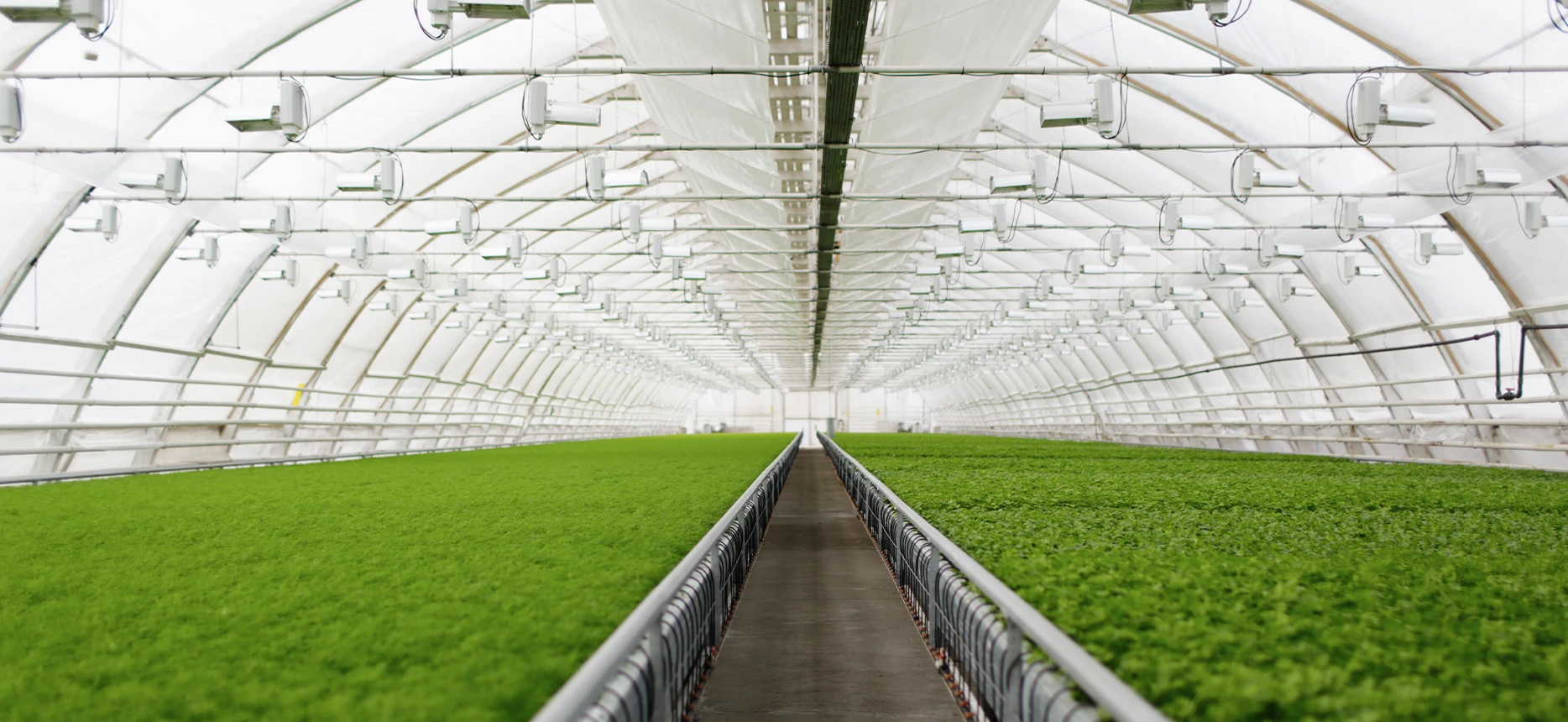
-

-
ApplicationHydroponics GardeningGrowing Mediums Gardening &Horticulture Hydroponics&Aquaponics Agricultur al&Greenhouse
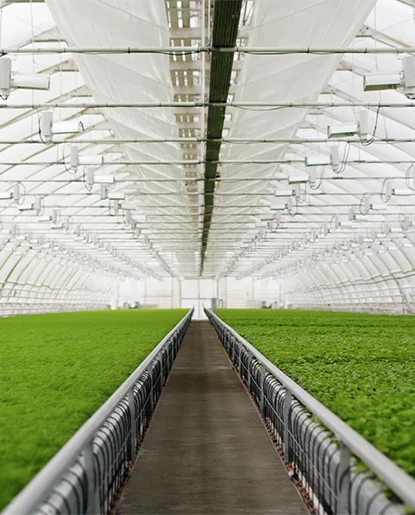
 Industrial
Minerals
Industrial
Minerals
 Hydroponics
Gardening
Hydroponics
Gardening